
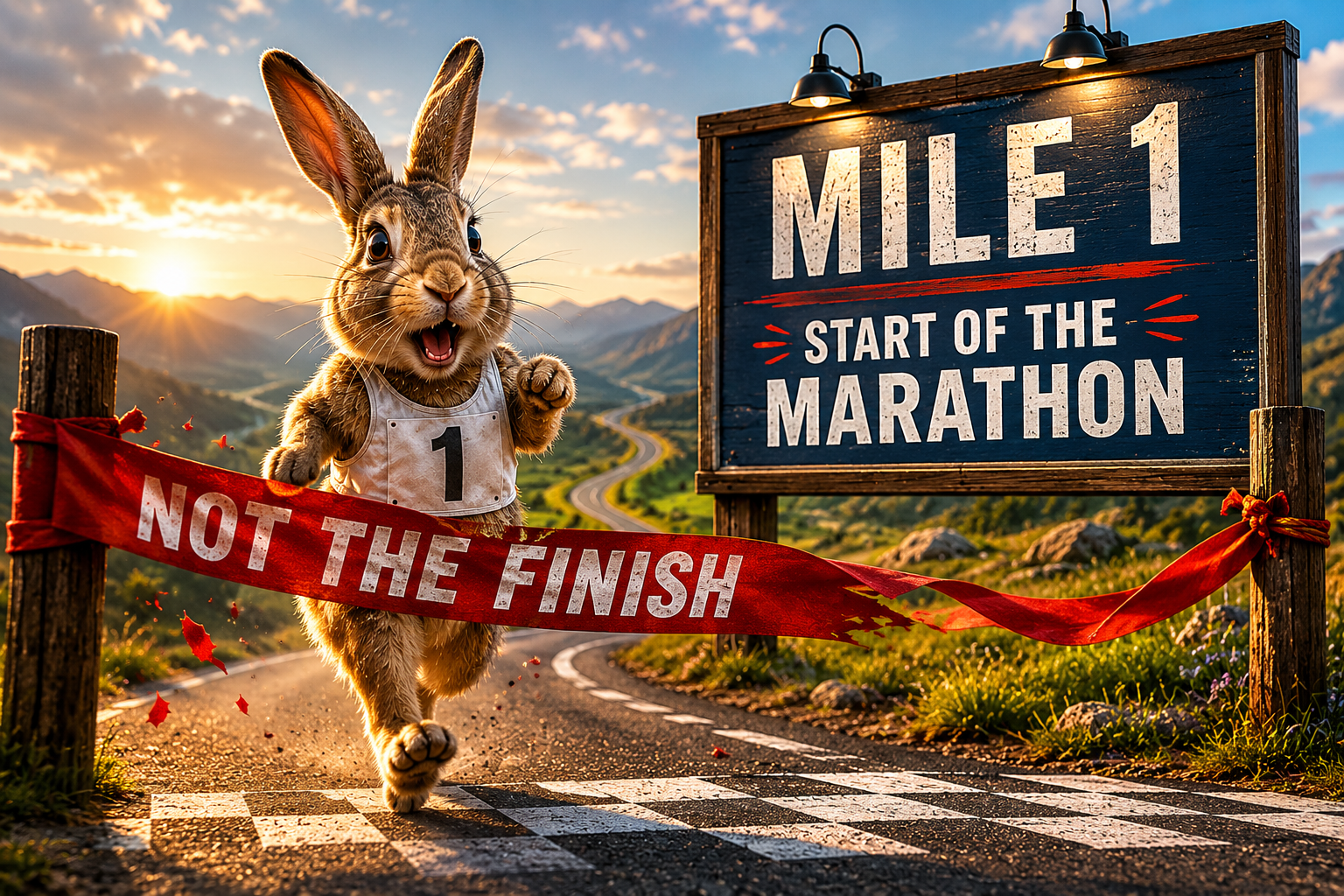
By Braden Paul - Reading time approx. 4 min.For many emerging consumer brands, securing a retail listing feels like the finish line.
After months, or sometimes years, of product development, packaging revisions, pricing discussions, and retailer presentations, seeing a product land on shelf is a major accomplishment.
In reality, however, the listing is often just the beginning.
One of the most common misconceptions in grocery retail is that once a product reaches the shelf, the hard work is done. In many cases, the opposite is true. The period immediately following a product launch is often where long-term success or failure begins to take shape.
Velocity Matters
Retailers closely monitor product performance after launch.
While every category and retailer operates differently, one common objective remains consistent: products need to move.
Initial consumer curiosity can generate strong early results, but long-term success depends on sustained sales velocity. Retailers regularly review category performance and compare products against competing items within the same shelf space.
A strong launch is important, but maintaining momentum is often what determines whether a product earns long-term placement.
Inventory and Forecasting Become Critical
Nothing creates frustration faster than empty shelves.
Once a product is listed, suppliers must be prepared to support retailer demand with reliable inventory and accurate forecasting. Unexpected promotional lifts, seasonal fluctuations, or successful marketing campaigns can create demand spikes that quickly strain inventory levels.
At the same time, excessive inventory can create its own challenges, tying up working capital and increasing operational costs.
Successful retail programs require a balance between supply availability and disciplined inventory management.
Promotions Become Part of the Strategy
Many brands focus heavily on securing the listing itself but underestimate the importance of ongoing promotional support.
In today's competitive grocery environment, products rarely succeed on shelf visibility alone. Promotional activity plays a significant role in driving consumer trial, increasing awareness, and maintaining product movement.
Whether through temporary price reductions, displays, digital marketing, or other support programs, retailers typically expect suppliers to remain engaged in helping drive category growth, and some require the same year over year support.
The Competitive Landscape Never Stops
A listing does not guarantee permanent shelf space.
Retail categories are constantly evolving as new products enter the market and existing products compete for limited shelf real estate. Buyers regularly evaluate assortment decisions based on performance, profitability, and overall category strategy.
As a result, brands must continually demonstrate their value within the category rather than assuming the initial listing secures long-term success.
Strong Communication Builds Confidence
Retail relationships remain incredibly important after a product launch.
Buyers appreciate suppliers who communicate proactively, provide updates when challenges arise, and work collaboratively to solve problems. Unexpected issues occur in any business, but how those issues are managed often influences retailer confidence far more than the issue itself.
Strong communication helps build trust and creates a foundation for long-term growth opportunities.
Growth Creates New Challenges
As products gain distribution and expand into additional retailers or regions, operational complexity increases.
Production planning, logistics, forecasting, customer service, promotional management, and inventory coordination all become more demanding as the business grows.
Many brands discover that scaling successfully requires a different skill set than launching successfully.
Final Thoughts
Getting listed is an important milestone and one worth celebrating.
However, long-term success in Canadian grocery retail is rarely determined by the listing itself. More often, it is determined by what happens afterward.
Strong execution, reliable supply, effective communication, promotional support, and ongoing category management all play important roles in helping products remain competitive once they reach the shelf.
For brands entering retail for the first time, understanding these realities early can help create a stronger foundation for sustainable growth and long-term success.
